
The Best Fluffy Pancakes recipe you will fall in love with. Full of tips and tricks to help you make the best pancakes.
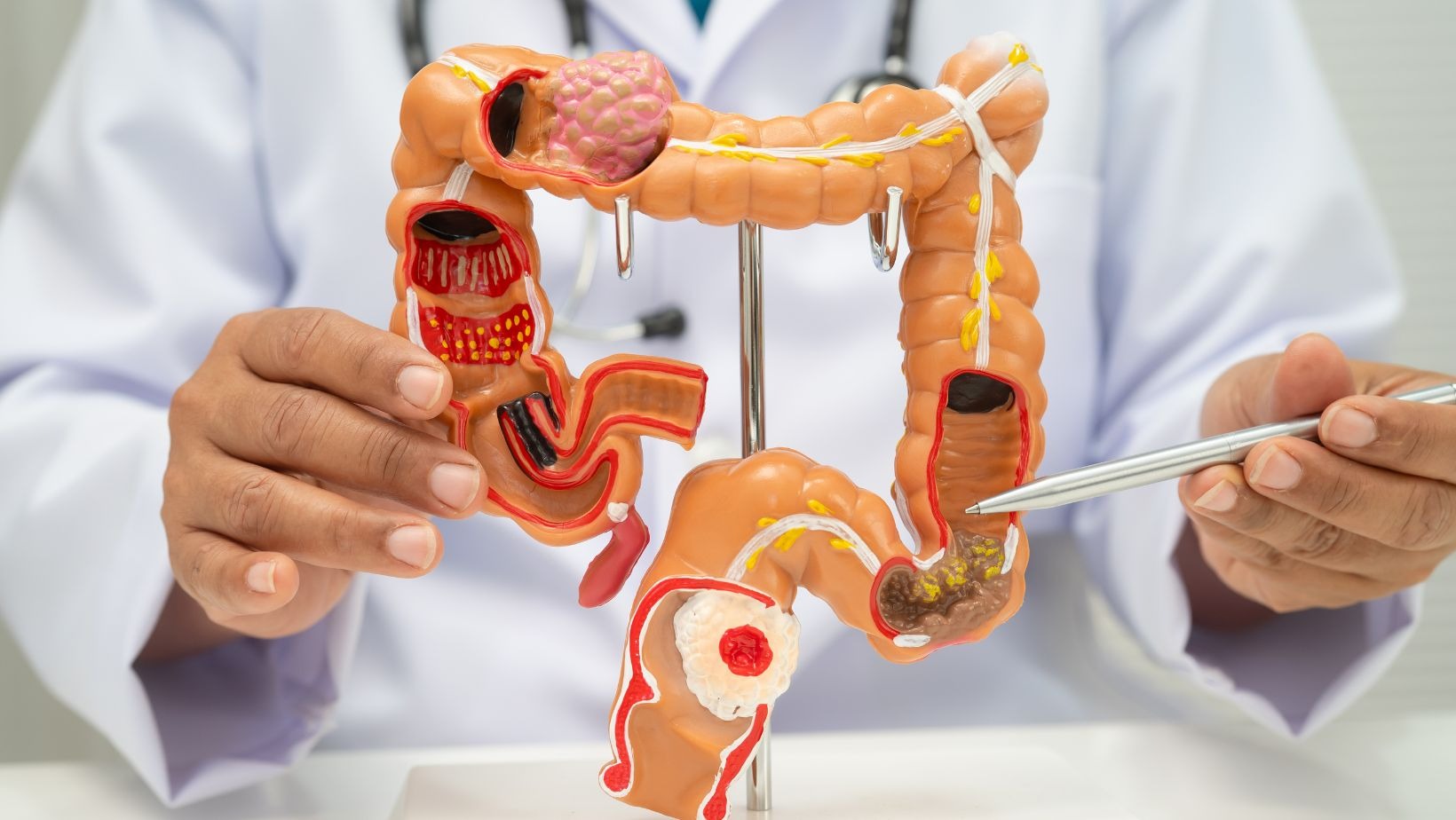
Understanding When to Seek Care for Colorectal Concerns
Conditions affecting the colon, rectum, and anus can cause symptoms that range from mild discomfort to persistent changes requiring medical assessment. Because similar symptoms may have different causes, it is important not to rely solely on self-diagnosis.
Common concerns may include changes in bowel habits, rectal bleeding, abdominal discomfort, haemorrhoids, anal fissures, fistulas, and other colorectal conditions. The appropriate next step depends on the individual symptoms, medical history, and clinical assessment.
Common Symptoms That May Require Further Assessment
Digestive and colorectal symptoms can sometimes be temporary, but persistent or recurring symptoms should be assessed by a qualified healthcare professional. Depending on the situation, these may include:
- Persistent changes in bowel habits
- Rectal bleeding
- Pain or discomfort during bowel movements
- Ongoing constipation
- Unexplained abdominal symptoms
- A persistent lump or swelling around the anal area
- Symptoms that do not improve with initial self-care
The cause of these symptoms cannot be determined from symptoms alone, as different conditions can present in similar ways. A proper consultation can help determine whether further investigation is necessary.
What Happens During a Specialist Consultation?
A specialist consultation may begin with a discussion about symptoms, medical history, and other relevant factors. Depending on the concern, a physical examination or further diagnostic tests may be recommended.
The purpose of this process is to identify the likely cause of the symptoms and determine the most appropriate next step. Not every patient with a colorectal concern will require surgery. Management may range from observation and non-surgical treatment to diagnostic procedures or surgery, depending on the condition and individual circumstances.
The Role of Screening and Diagnostic Procedures
Some colorectal conditions may require further investigation to provide a clearer diagnosis. Colonoscopy is one procedure that allows a doctor to examine the inside of the large intestine and may be recommended for screening or to investigate certain symptoms.
The need for a colonoscopy or another diagnostic procedure should be determined based on an individual’s symptoms, risk factors, medical history, and a doctor’s assessment.
What to Consider When Choosing a Colorectal Clinic
Finding an appropriate clinic involves more than simply selecting a convenient location. It can be helpful to consider several factors before making an appointment.
Relevant Areas of Practice
Check whether the clinic provides assessment and treatment for the particular concern you are experiencing. Colorectal practices may manage conditions such as haemorrhoids, anal fissures, fistulas, diverticular disease, bowel changes, and colorectal conditions requiring further investigation.
Diagnostic and Treatment Options
Some clinics provide consultation alongside diagnostic procedures and different treatment approaches. Understanding what services are available can help patients determine whether the clinic is suitable for their needs.
Specialist Experience
Reviewing a doctor’s qualifications, training, and areas of clinical practice can provide useful context when selecting specialist care. This may be particularly relevant when a condition requires a more complex investigation or treatment plan.
Continuity of Care
For conditions that require follow-up, it may be useful to understand how consultations, diagnostic procedures, treatment, and post-treatment care are coordinated.
Preparing for Your Appointment
Before attending a consultation, it may be useful to make a note of:
- When the symptoms first appeared
- Whether the symptoms are persistent or intermittent
- Any changes in bowel habits
- Previous diagnoses or treatments
- Relevant medical or family history
- Questions about possible investigations or treatment options
Providing clear information can help the healthcare professional better understand the situation.
Finding Specialist Colorectal Care in Singapore
When researching where to seek professional assessment, it is important to look at the clinic’s areas of practice, diagnostic capabilities, and the specialist’s experience rather than choosing solely based on a single treatment option.
For example, those looking to Visit a colorectal clinic in Singapore – Advanced Colorectal & General Surgery can review the clinic’s official information on its consultation, colorectal screening, endoscopy, and surgical services. The practice is led by Dr Leong Quor Meng and provides care for a range of colorectal and general surgical conditions.
Conclusion
Colorectal symptoms can have a wide range of causes, and persistent symptoms should not be dismissed or self-diagnosed. Seeking appropriate medical advice can help establish the cause of a concern and determine whether monitoring, further investigation, non-surgical treatment, or another approach is appropriate.
Choosing a clinic should ultimately involve considering the nature of the condition, the available services, the specialist’s relevant expertise, and the type of care required for the individual situation.